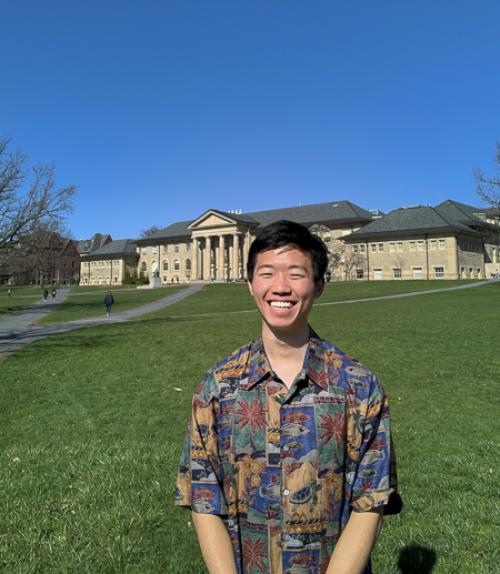
Mahiro Abe: 'I was lucky enough to find two incredible research mentors'
 Department Homepage
The College of Arts & Sciences
Department Homepage
The College of Arts & Sciences
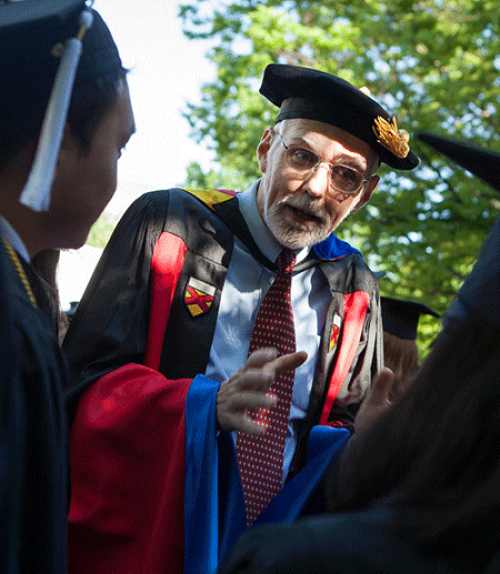
G. Peter Lepage, the Goldwin Smith Professor of Physics, and Thomas Pepinsky, professor of government, both in the College of Arts and Sciences, have received two of Cornell’s highest honors for faculty members.
Researchers examined gender roles in undergraduate physics lab classes as a step toward removing systematic gender biases in the field.
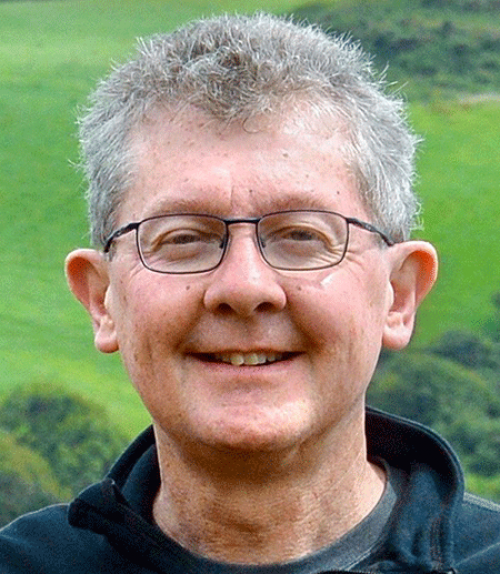
Physicist J.C. Séamus Davis, the James Gilbert White Distinguished Professor Emeritus in the College of Arts and Sciences, has received a $1.6 million five-year grant renewal from the Gordon and Betty Moore Foundation as part of the Emergent Phenomena in Quantum Systems (EPiQS) Initiative.
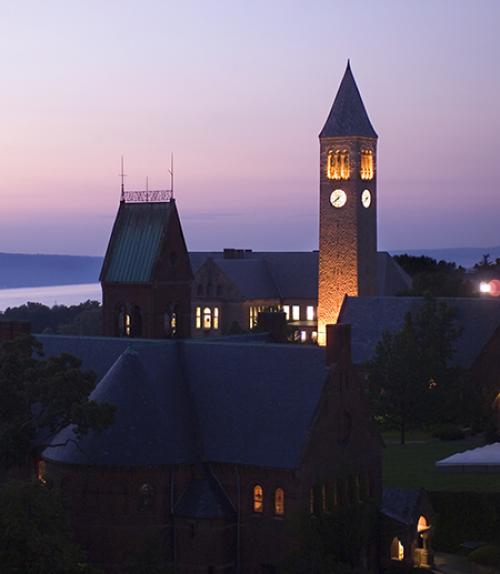
Even though we can't be together in person, we are looking forward to "seeing" you at our virtual Reunion 2020, Friday and Saturday, June 5-6!
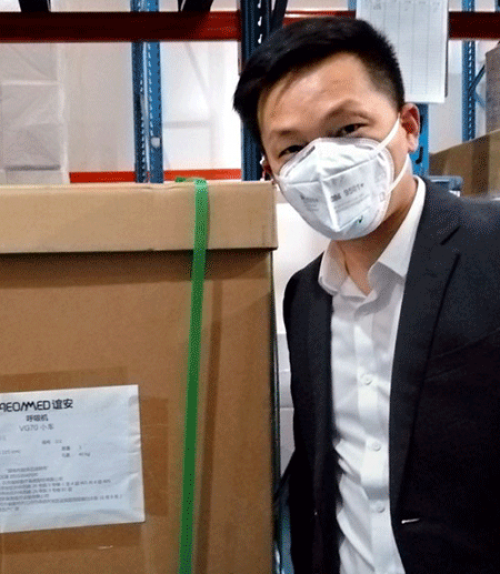
Cornell alumni, parents and friends have helped source and deliver more than 19,600 N95 respirator masks, 94,000 surgical and face masks, 59,000 surgical gloves, 2,600 sets of coveralls and other supplies.
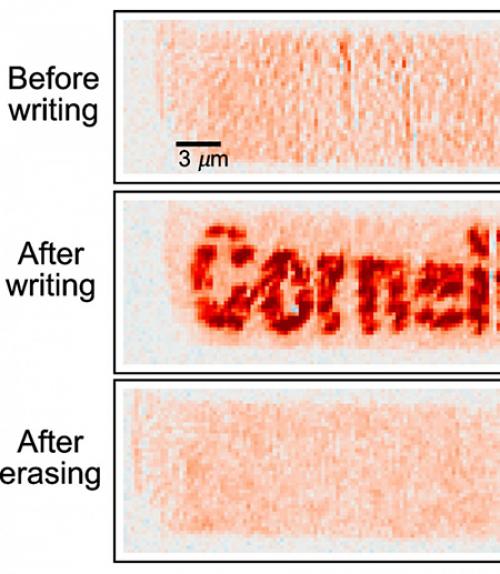
Cornell researchers, including Dan Ralph, the F.R. Newman Professor of Physics in the College of Arts & Sciences, have demonstrated a technique for writing, erasing and rewriting microscopic magnetic patterns onto a material – a concept tested by writing and erasing “Cornell” eight times onto the sample. This achievement will aid in the research of magnetism for ultrafast computer memory and other applications.

In a group decision-making process such as the one happening in the U.S. this November, swing voters are crucial. At least that’s the conventional wisdom. Whether it’s a presidential election, a Supreme Court vote or a congressional decision – and especially in highly partisan environments, where the votes of the wings are almost guaranteed – the votes of the few individuals who seem to be in the middle could tip the scales.
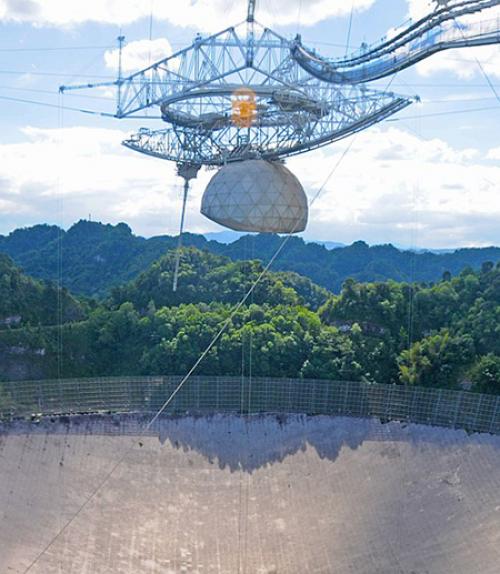
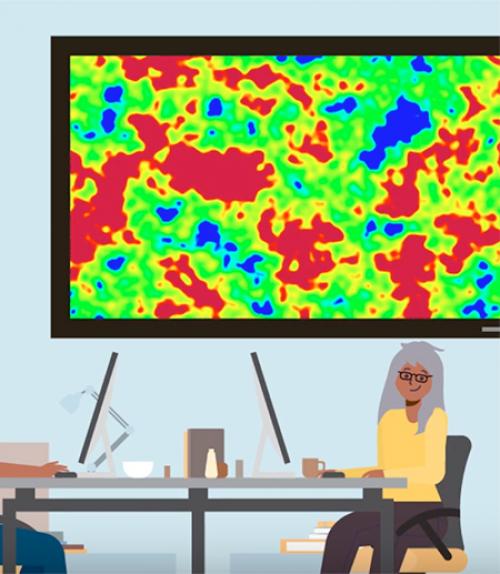
A new animation about two innovative telescopes being developed at Cornell has just been released by the research group led by Michael Niemack, associate professor of physics and astronomy in the College of Arts and Sciences. The two-minute video explains how researchers are “measuring the oldest light in the universe with the highest telescopes on Earth.”
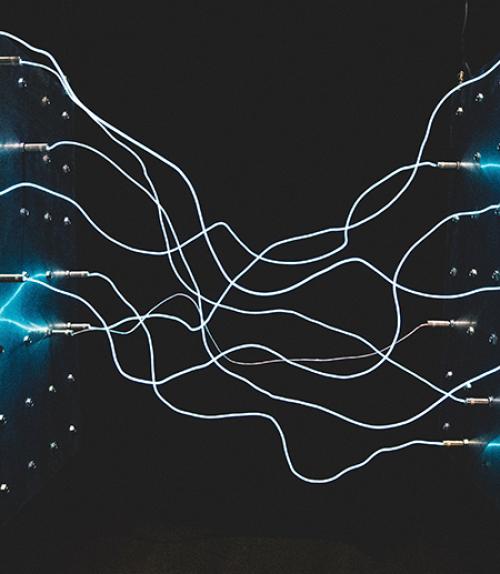
Like Bigfoot and the Loch Ness monster, critical spin fluctuations in a magnetic system haven’t been captured on film. Unlike the fabled creatures, these fluctuations – which are highly correlated electron spin patterns – do actually exist, but they are too random and turbulent to be seen in real time.
"We are finally unlocking the enigma behind the intense motions of electrons in strange metals.”
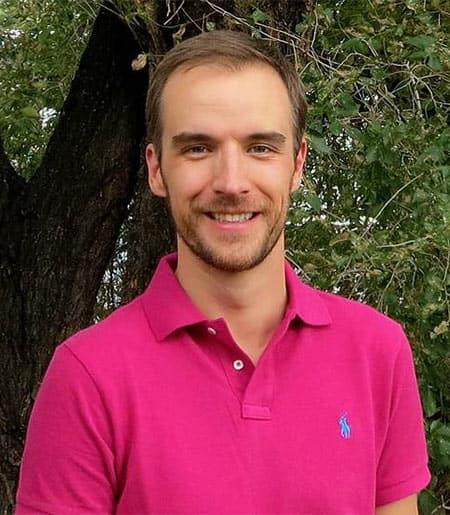

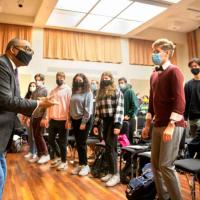
Wynton Marsalis visited campus Nov. 1-6 as an A.D. White Professor-at-Large.