Weak coupling shows flaw in strange metal model
Planckian metals have the potential to power high-temperature superconductors, quantum computers and a host of other next-generation technologies.
 Department Homepage
The College of Arts & Sciences
Department Homepage
The College of Arts & Sciences
Planckian metals have the potential to power high-temperature superconductors, quantum computers and a host of other next-generation technologies.
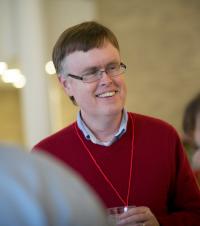
Professor Dan Ralph was awarded the McGroddy Award by APS.
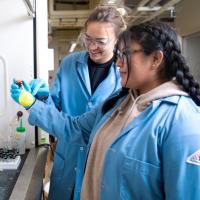
The Nexus Scholars program will leverage the student-to-faculty ratio and the vibrant research enterprise in A&S to expand opportunities for students, while also enhancing the culture of collaborative scholarship at Cornell.
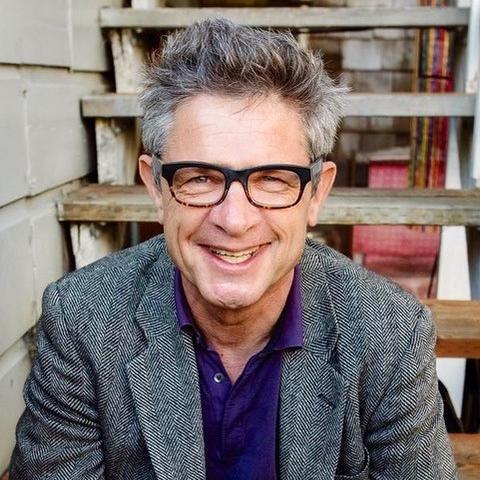
This year's Hans Bethe Lecture, “Probing the Edges of the Universe: Black Holes, Horizons and Strings,” will be on Wed., Oct. 27 at 7:30 pm in the David Call Alumni Auditorium, Kennedy Hall.
The Shen lab leverages unique experimental capabilities to detect and investigate systems in which superconductivity may be fragile or exist only at surfaces or interfaces.
Astronomer Ray Jayawardhana, the Harold Tanner Dean of Arts and Sciences, is featured in “Particles Unknown,” airing Oct. 6.
Physicist Eun-Ah Kim and collaborators are leading the way in the discovery of new quantum materials and the development of quantum computing.
A new study published Sept. 7 in the journal of the International Union of Crystallography demonstrates that cryo-EM samples can be prepared with a safer and less expensive coolant – liquid nitrogen – and these samples can produce even sharper images than those prepared with ethane.
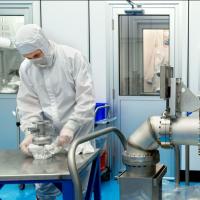
A collaboration of researchers led by Cornell has been awarded $22.5 million from the National Science Foundation (NSF) to continue gaining the fundamental understanding needed to transform the brightness of electron beams available to science, medicine and industry.
The program brings accomplished journalists to Cornell each year to interact with faculty, researchers and students.
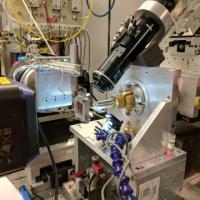
Combining state-of-the-art X-ray technology and cryogenics, Cornell physics researchers have developed a new method for analyzing proteins in action, a breakthrough that will enable the study of far more proteins than is possible with current methods.
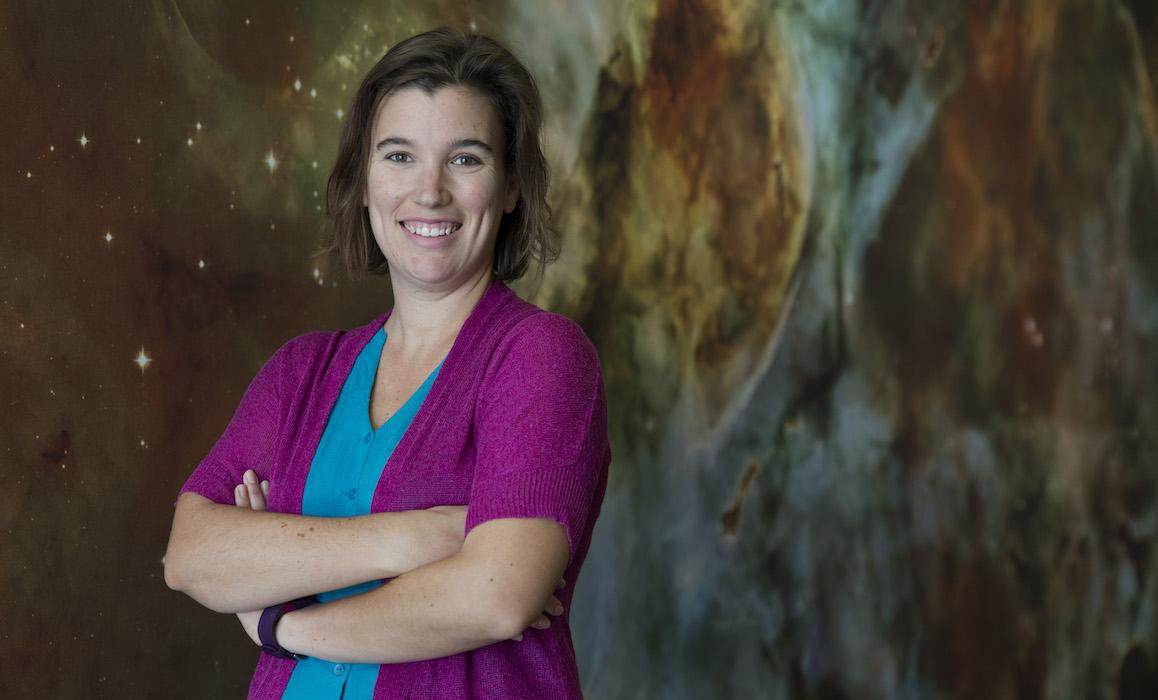
Abigail Crites, Physics
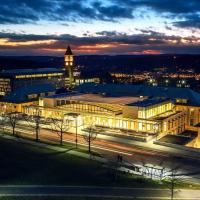
Applications are now being accepted for the third cohort of the Klarman Postdoctoral Fellowships program in the College of Arts and Sciences. The deadline for submission is Oct. 15.

“I’m excited to push magnetic materials into the quantum limit to enable new ways to make quantum devices."
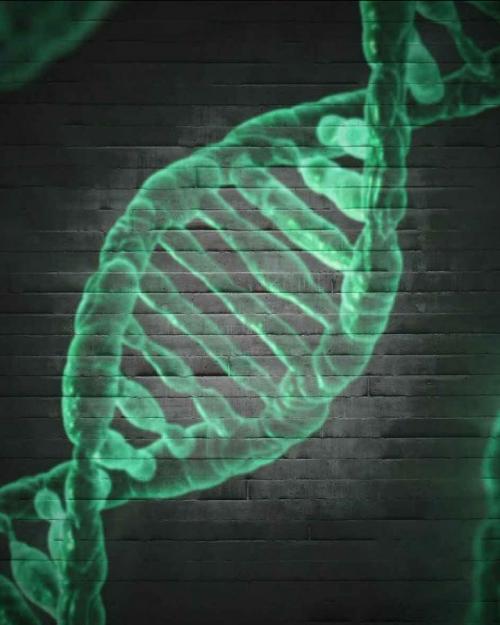
Cornell researchers have identified a new way to measure DNA torsional stiffness – how much resistance the helix offers when twisted – information that can potentially shed light on how cells work.
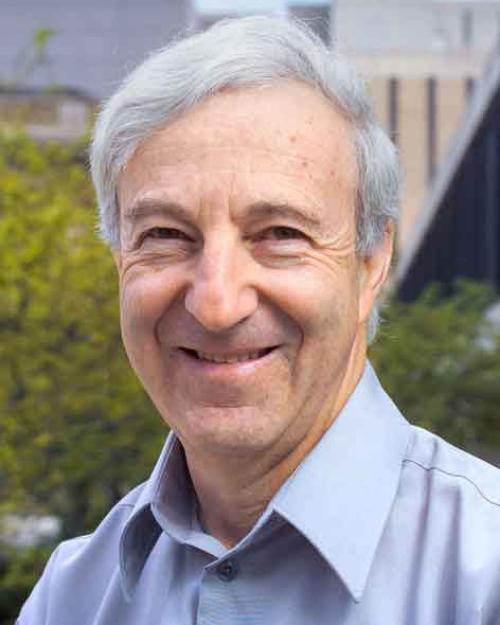
Saul Teukolsky, the Hans A. Bethe Professor of Physics and Astrophysics in the College of Arts and Sciences, has been awarded the International Centre for Theoretical Physics’ 2021 ICTP Dirac Medal and Prize for his contributions to the detection of gravitational waves.

Physics Prof. Paul Ginsparg, founder of arXiv, examines the impact of online preprints and what we can learn from academic experience about sharing information.
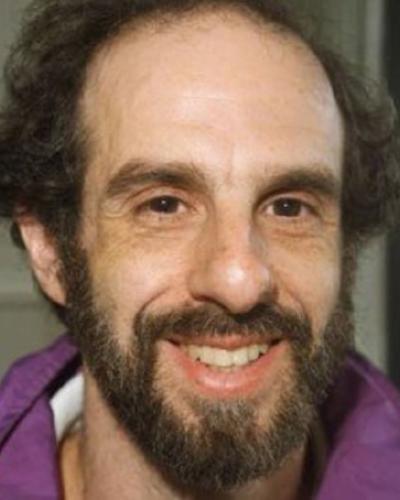
Newswise — WASHINGTON, December 19, 2019 -- The American Institute of Physics is pleased to announce Paul Ginsparg, a professor at Cornell University and founder of arXiv, as the winner of AIP’s 2020 Karl Taylor Compton Medal for Leadership in Physics.Named after prominent physicist Karl Taylor Compton, the medal is presented by AIP every four...
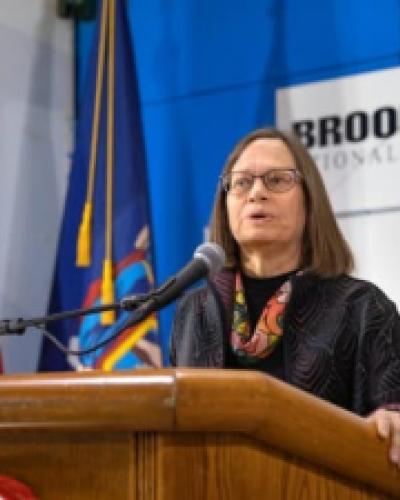
Construction is complete and the first major test was a success, so a celebration was in order to mark these accomplishments of the Cornell-Brookhaven ERL Test Accelerator facility, known as CBETA. In time, it is expected to become the most energy-efficient, high-performance accelerator ever built.The Dec. 5 event was attended by staff,...

John W. Wilkins, Ohio Eminent Scholar and Professor of Physics Emeritus at Ohio State University passed away on December 6, 2019 in Columbus Ohio.Born on March 11, 1936 in Des Moines, Iowa, he obtained a BS in Engineering at Northwestern University in 1959 and PhD in physics from the University of Illinois Champaign Urbana in 1963. John was a...
Three professors – representing the departments of physics, materials science and engineering, and electrical and computer engineering – have been elected fellows of the American Physical Society (APS).The fellowship program recognizes physicists who have made exceptional contributions in physics research, important applications of physics,...
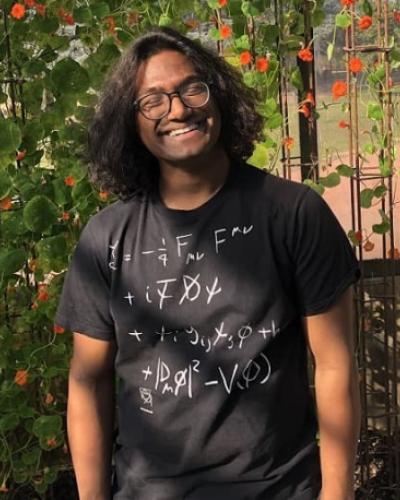
The Cornell Society of Physics Students recently added the role of diversity chair to their officer positions. Murali Saravanan ‘20 was only the second person to take on this undefined role.One of Saravanan’s efforts was to ask all of the 1000 and 2000 level physics instructors to include a diversity statement on their syllabus. “They all know...
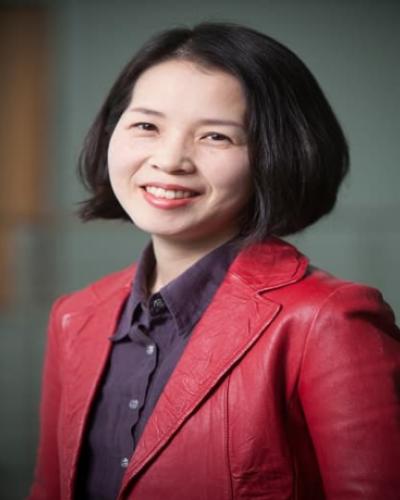
Eun-Ah Kim's research using machine learning to find meaningful patterns in quantum matter experimental data was recognized in Nature's News.Link to the Nature's News article
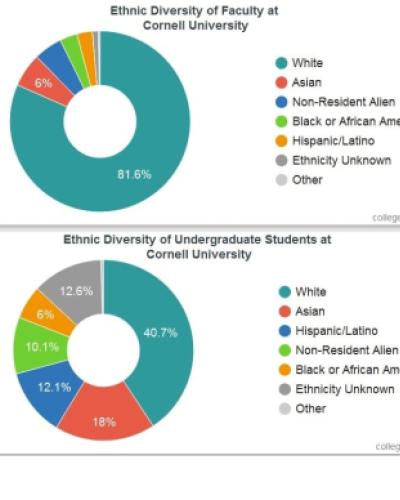
The Provost’s Task Force to Enhance Faculty Diversity has issued its report recommending steps that could help Cornell keep its competitive edge in attracting and retaining outstanding female and underrepresented minority faculty members.“At the heart of our report is Cornell’s founding motto, that ‘… any person can find instruction in any...
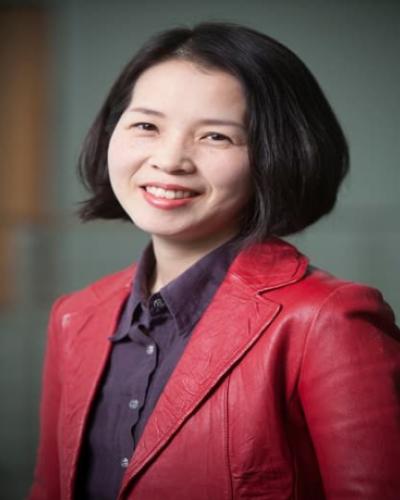
Cornell physicist Eun-Ah Kim and her colleagues utilize machine learning to discover new information above what is known of condensed matter physics. "This is an example of machines beating prior work by humans", says Roger Melko of the University of Waterloo in Canada, who was not involved in the work. The full Physics World article can be...