



New View of Nature’s Oldest Light Adds Twist to Debate Over Universe’s Age
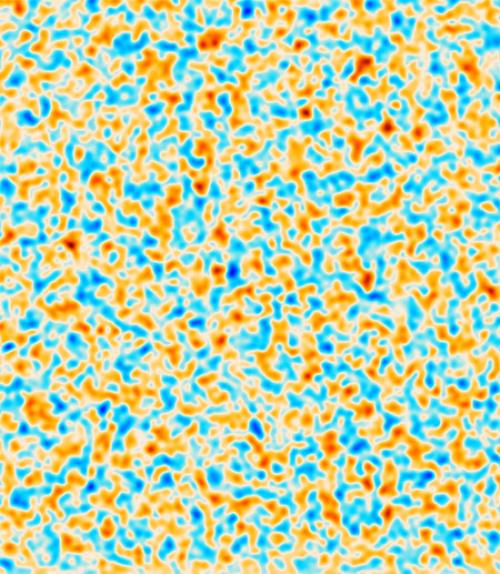
From a mountain high in Chile’s Atacama Desert, astronomers with the National Science Foundation’s Atacama Cosmology Telescope (ACT) have taken a fresh look at the oldest light in the universe. Their new observations plus a bit of cosmic geometry suggest that the universe is 13.77 billion years old, give or take 40 million years.

Data on armed conflict reveals patterns in violent chaos
Chaos and uncertainty are hallmarks of armed conflict. But new research that ties together multiple aspects of political violence reveals universal dynamics in how conflicts emerge and expand. The work provides a statistical framework that could one day help anticipate deadly violence.
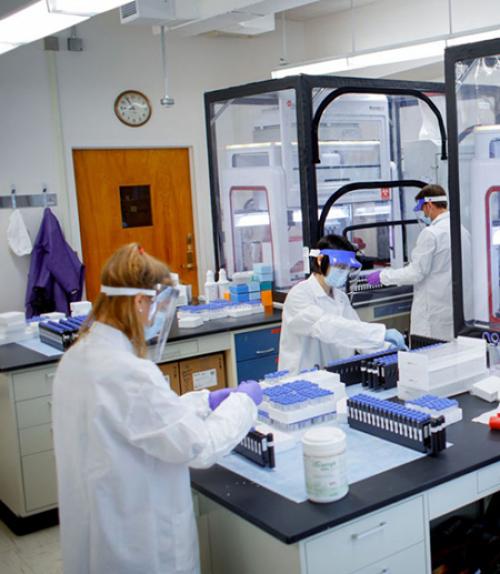
2020 in review: COVID-19 was the story
The first mention of the word “coronavirus” in a Cornell Chronicle story in 2020 came on Jan. 29, when the university designated mainland China as an elevated-risk destination, and imposed travel restrictions on students, faculty and staff.
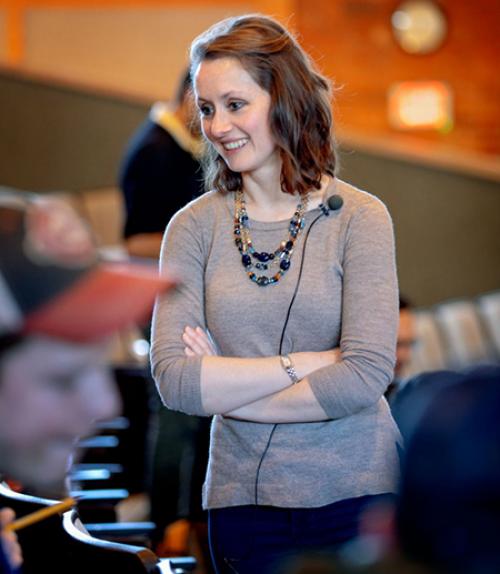
Physics without fear: a course for students across disciplines
Holmes hopes that students will take a positive, informed view of physics with them into their careers.
Brains on board: Smart microrobots walk autonomously
Electronic “brains” on solar-powered robots that are smaller than an ant’s head allow them to walk by themselves.
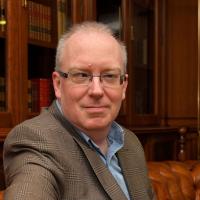
2022 Bethe Lectures: Harnessing quantum matter for future technologies
Physicist Charles Kane will explain how mysterious features of quantum mechanics can be harnessed for future technologies on Oct. 19, 7:30 p.m.
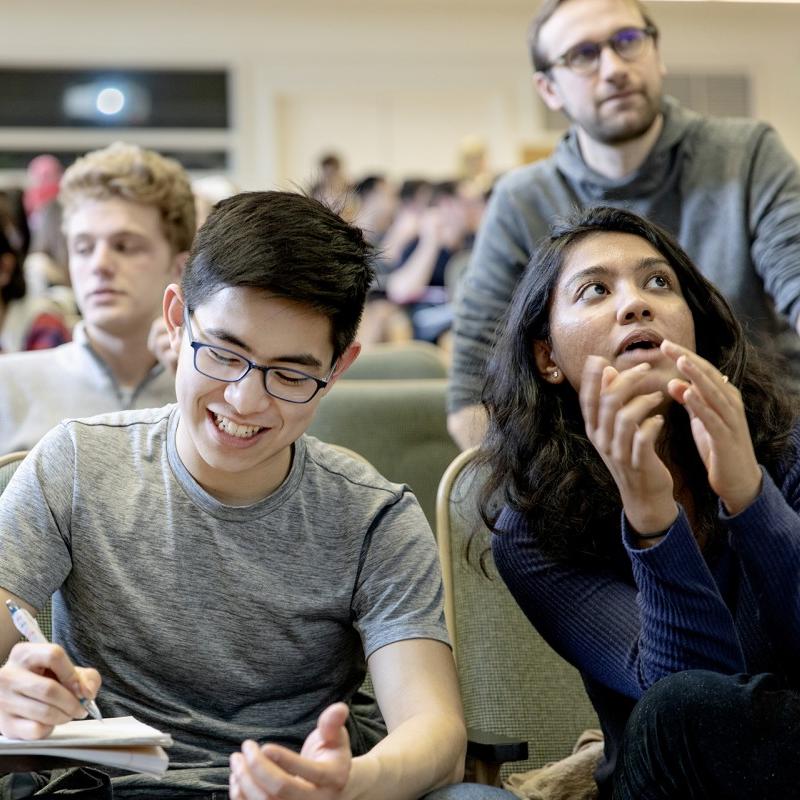
Active Learning Initiative, at 10, elevates teaching and belonging
The initiative has supported classes in the humanities, the social and natural sciences, mathematics, information science and engineering.

Two A&S postdocs receive Blavatnik awards in physics, chemistry
Xiaolong Liu, a postdoctoral researcher in physics, and Wen Zhang, a postdoctoral researcher in chemistry, stand out among young scientists in the tri-state area.
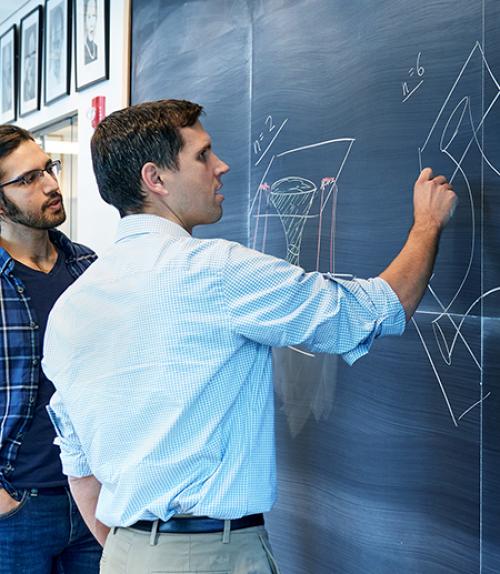
Physics professor advances breakthrough research on black hole paradox
Tom Hartman has discovered a mathematical technique for calculating the physics of a black hole.
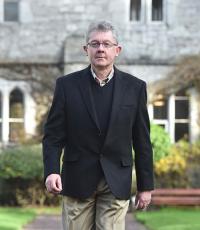
Prestigious Buckley Prize awarded to physicist J.C. Séamus Davis
Quantum microscopes based on Davis designs have galvanized quantum materials visualization studies globally.

Staff changes will support interdisciplinary research
Julia Thom-Levy, professor of physics in the College of Arts and Sciences, has been named associate vice provost for physical sciences.
Research: Electrons in a strange metal world
Why do electrons in high-temperature superconductors behave the way they do? A quantum explanation could have planetary payoffs.
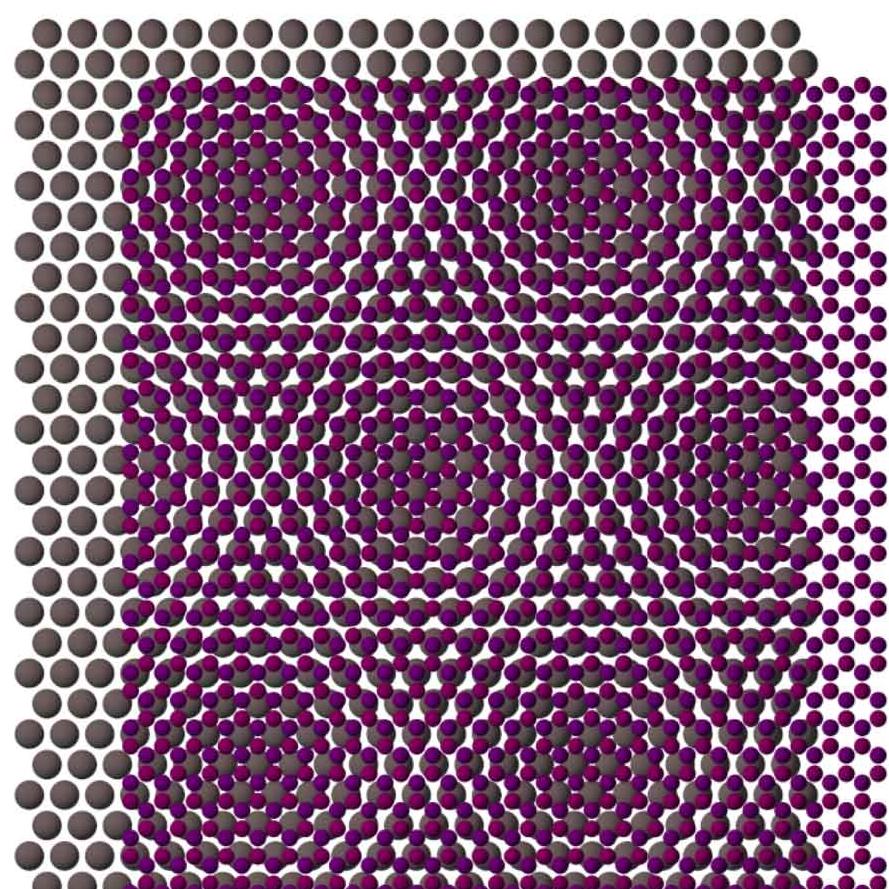
$1.25M grant to advance control of 2D materials
The research will help give unprecedented insight into electron behavior and quantum phenomena.
Over 50 Students Receive NSF Graduate Fellowships
The National Science Foundation offers approximately 2,000 fellowships per year to research-based master’s and doctoral students pursuing STEM studies.