Monday
Department of Physics Colloquium, Dr. Anna Grassellino, Fermilab
Location: Rockefeller Hall, 201, Schwartz Auditorium
 Department Homepage
The College of Arts & Sciences
Department Homepage
The College of Arts & Sciences
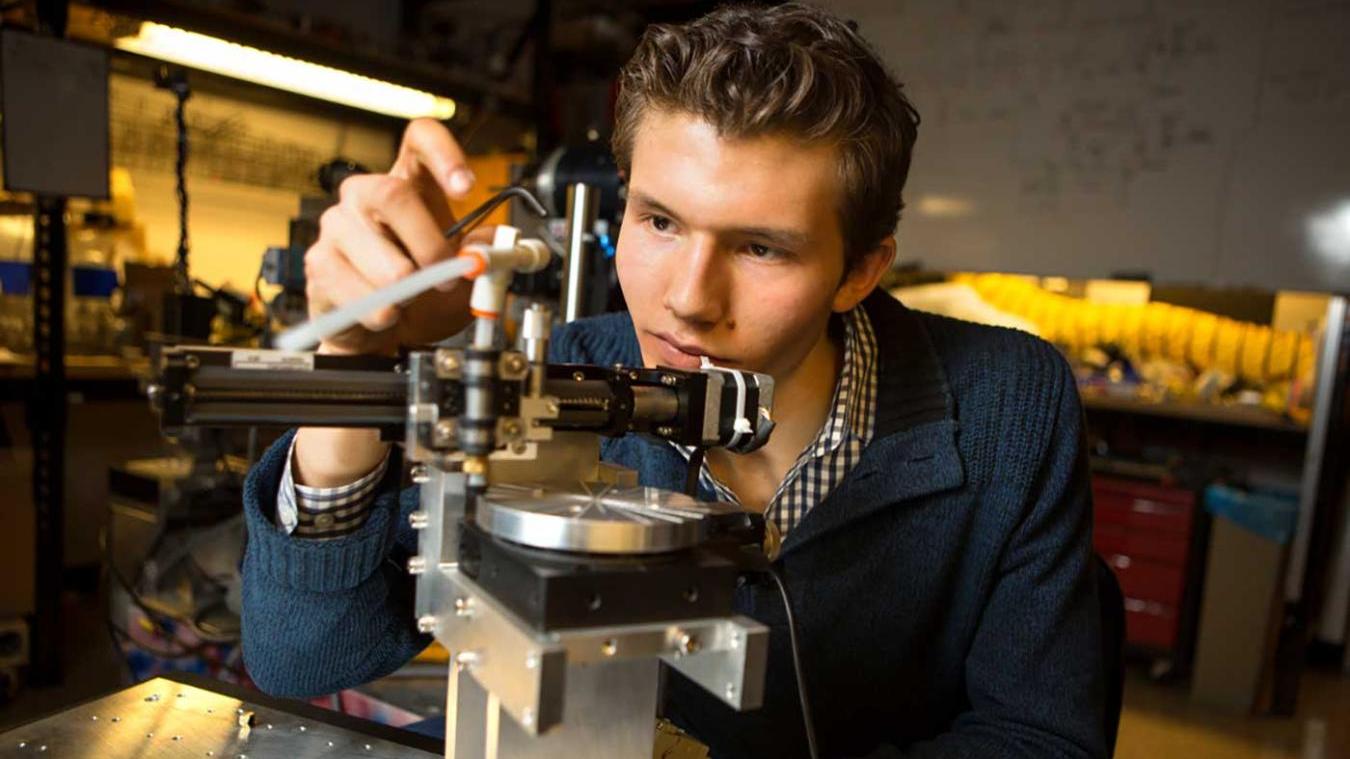
The Cornell University Department of Physics, known for the versatility of its program, the breadth of its training, and Nobel Prize-winning work, is unsurpassed in many areas. The presence on campus of a particle accelerator, one of just a few of its magnitude anywhere in the world, contributes to Cornell’s reputation in particle and accelerator physics. The department has more than 40 active professors, approximately 180 graduate students and 65 undergraduate majors, and offers a full range of university-level work in physics, from general education courses for nonscientists to doctoral-level independent research.
Location: Rockefeller Hall, 201, Schwartz Auditorium
The Bethe Way is the department's yearly magazine. In it, we share exciting highlights of faculty hires, research breakthroughs, staff changes, teaching reform, faculty awards, and alumni connections.
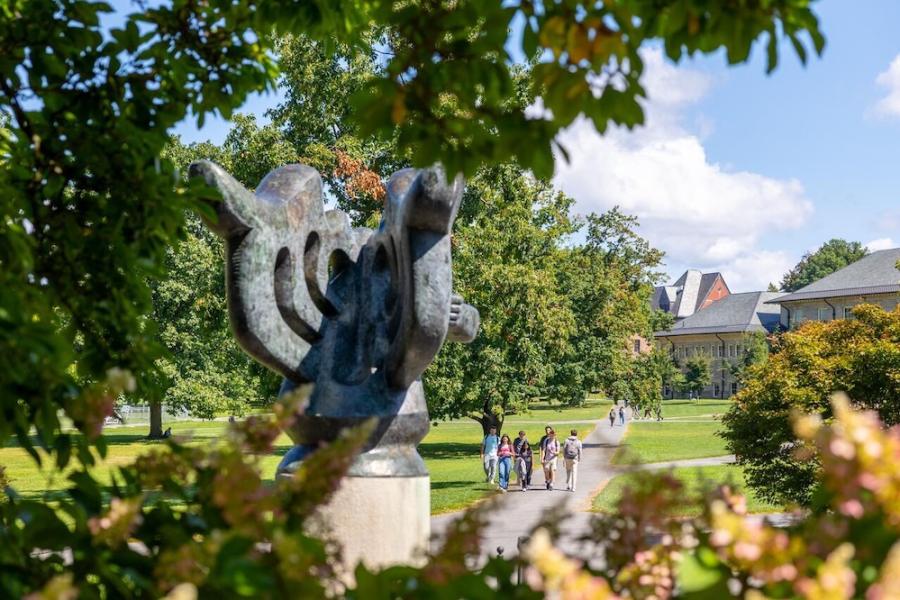
Cornell’s College of Arts & Sciences honors the winners of its 2026 teaching and advising awards. Faculty members Nicole Giannella, Karola Mészáros and Landon Schnabel stand out this year, earning major awards for excellence; many instructors and teaching assistants received recognition, as well.
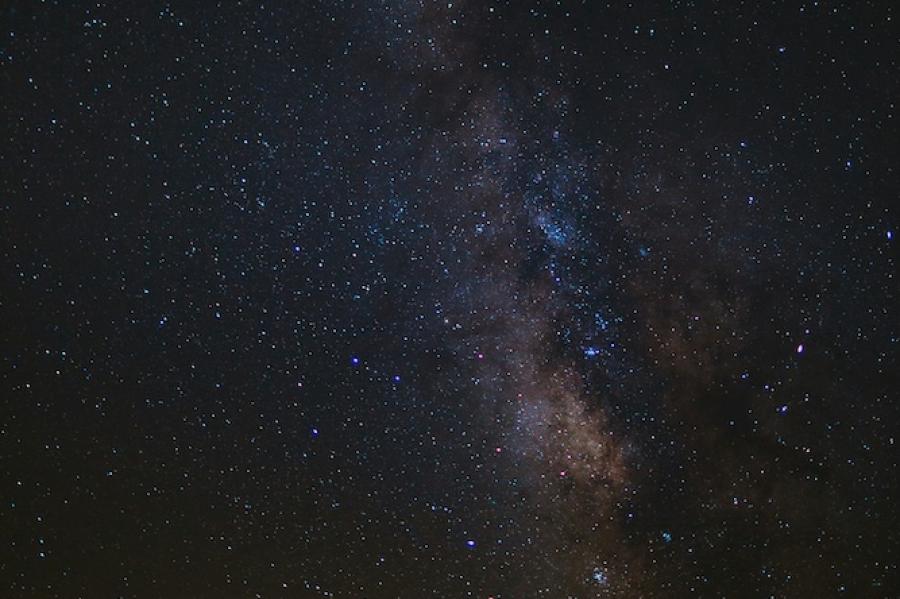
Researchers in Cornell's College of Arts and Sciences report on the first observations with the Tomographic Ionized-carbon Mapping Experiment (TIME). The instrument uses a technique called line-intensity mapping to explore the early universe.
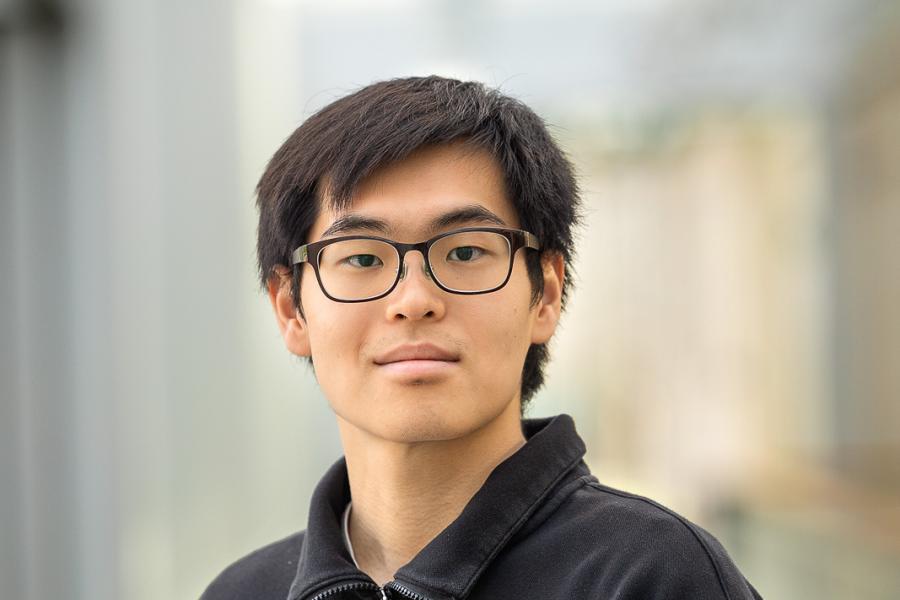
Alexander Won is majoring in physics and mathematics.
Abra Geiger is majoring in physics and mathematics.
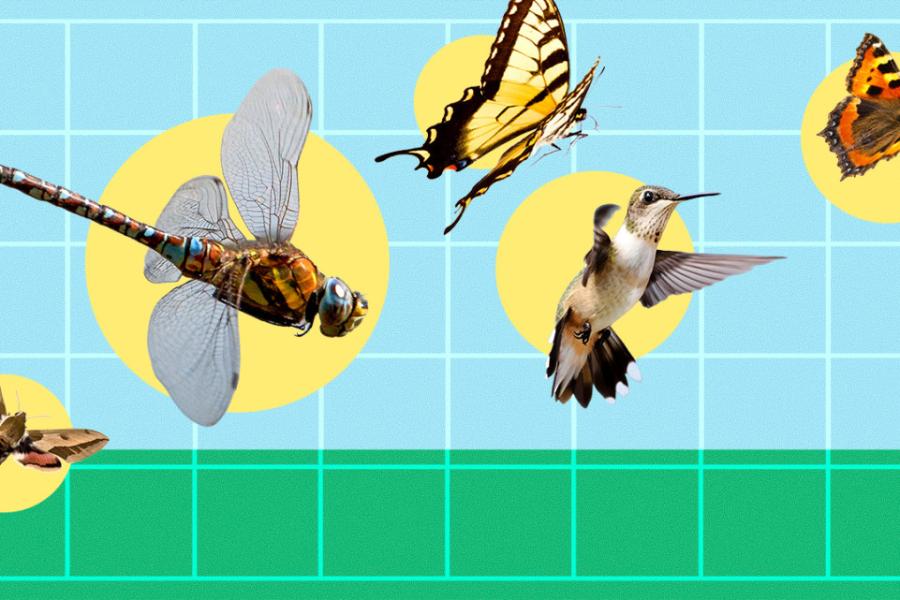
Research led by Z. Jane Wang, professor of physics in Cornell's College of Arts and Sciences, shows the effect of insects’ morphology on stabilizing their flight using a computational model. At stake: new understanding of evolution of animal flight and a blueprint for designing flapping-wing robots.
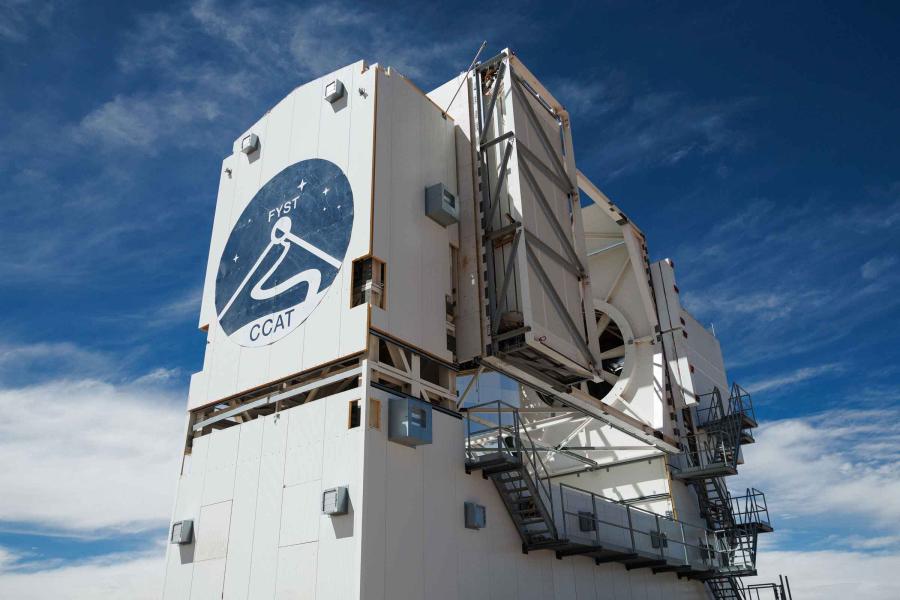
Cornell University's Fred Young Submillimeter Telescope (FYST) was formally inaugurated on April 9 in Chile's Atacama Desert, marking a new era in submillimeter astronomy. The CCAT Observatory partnership telescope, led by Cornell, will map galaxy formation, cosmic microwave background radiation, and the epoch of reionization in the submillimeter range faster than any previous instrument.
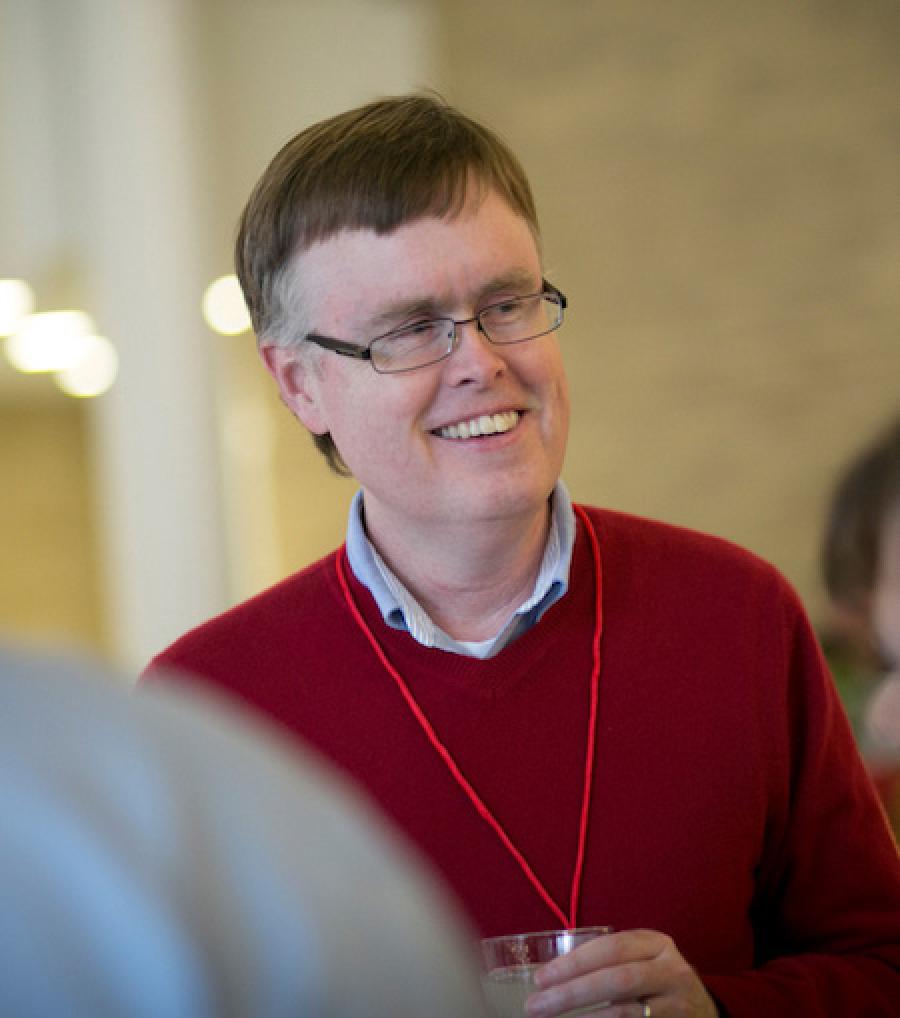
Physicist Dan Ralph, Ph.D. ’93, F.R. Newman Professor of Physics in Cornell's College of Arts and Sciences, is one of two faculty members elected to the National Academy of Sciences. April 28, the academy announced 120 members and 25 international members elected this year.
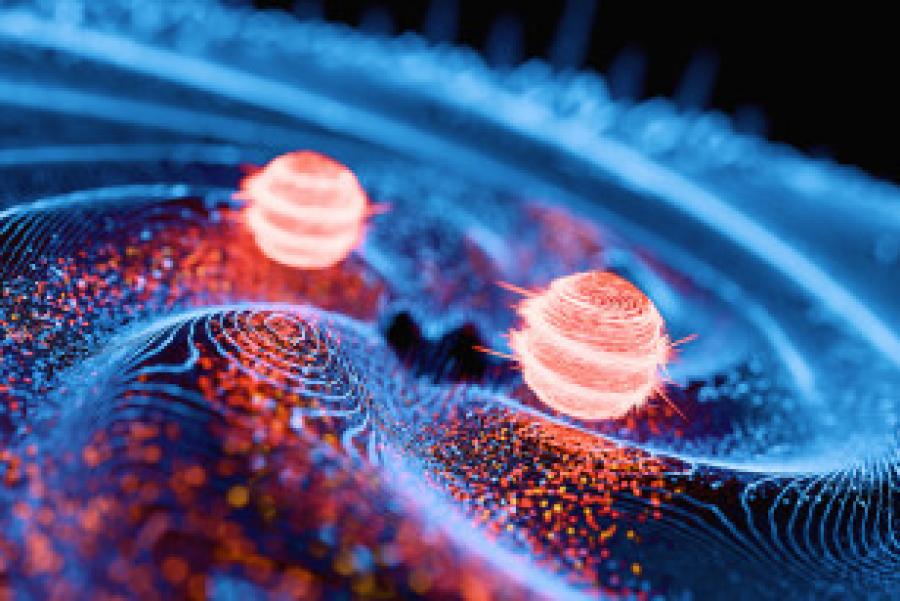
Brad Ramshaw, associate professor of physics in Cornell's College of Arts and Sciences, led a team measuring the movement of soundwaves rather than the flow of heat in Majorana fermions. The team discovered the thermal Hall effect in these particles was caused by chiral phonons.
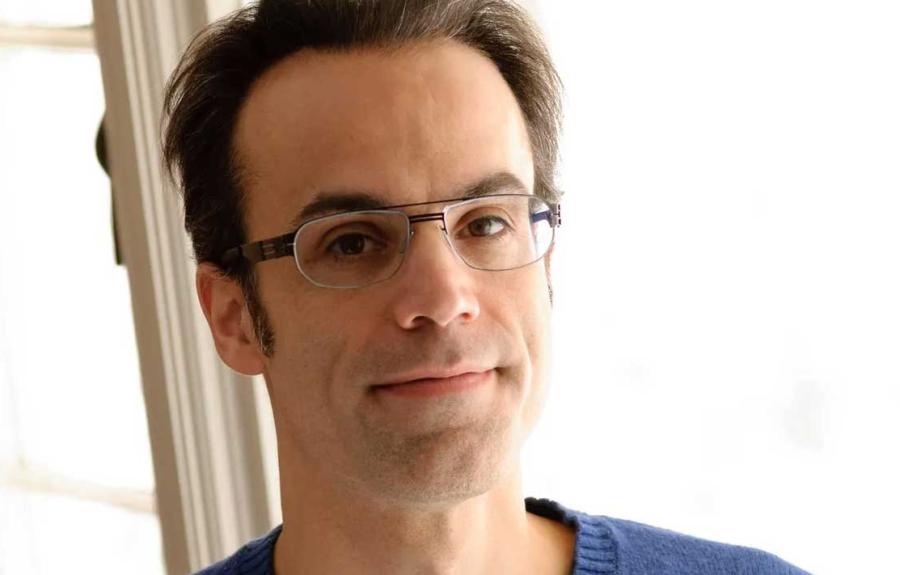
"On my first day after joining a research group in graduate school a professor said, I hear you’re interested in instrumentation.’ I didn’t know what that was, but I thought I’d better say yes. When people think about physics, they think about a guy with a pencil and paper, but physics is an experimental science.”
- Peter Wittich, Professor and Director, Laboratory of Elementary Particle Physics